
Septic Repair Near You in Hamilton, Halton & Brant — Fast, Licensed Service
Alpha Ex provides professional, licensed septic repair across Hamilton, Brantford, Halton and Haldimand. We diagnose failing septic systems, identify the root problem, and carry out proper septic tank repair and leaching bed repair—not temporary fixes. Call 905-304-7114 to schedule an inspection.
Searching for septic repair near me? We serve Hamilton, Binbrook, Waterdown, Stoney Creek, Ancaster, Dundas, Flamborough, Glanbrook and surrounding areas with prompt scheduling and clear repair plans.
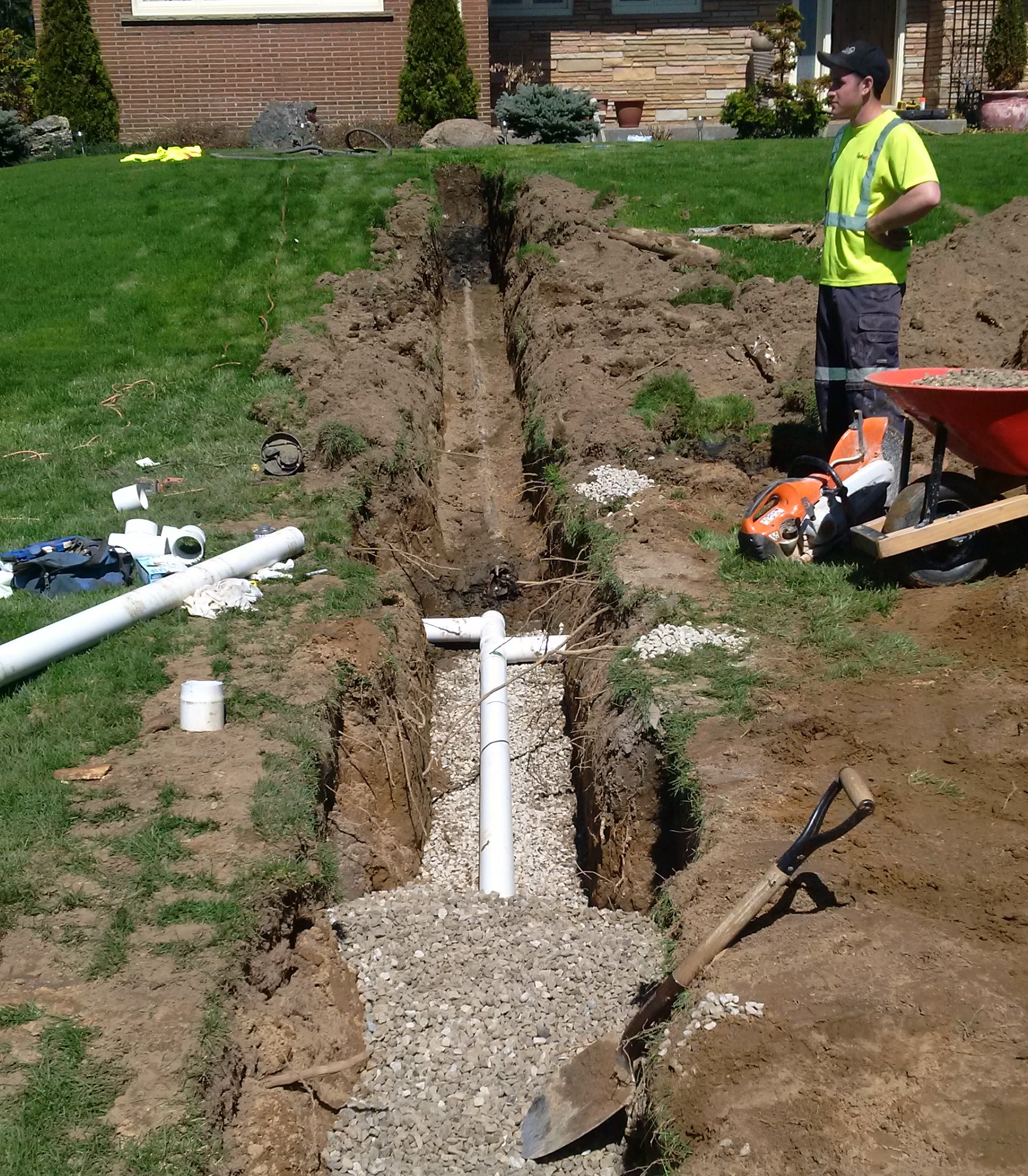
Septic Tank Repair
We troubleshoot alarms, odors, backups and saturated beds. Our septic tank repair services address the issues homeowners commonly face when searching for septic repair near them:
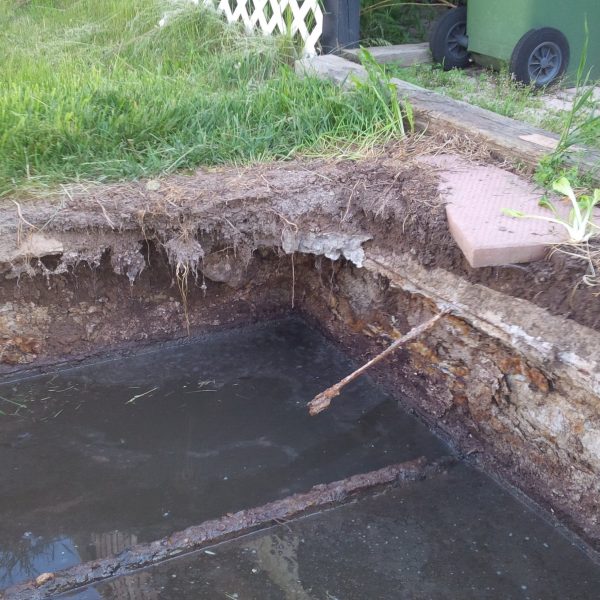
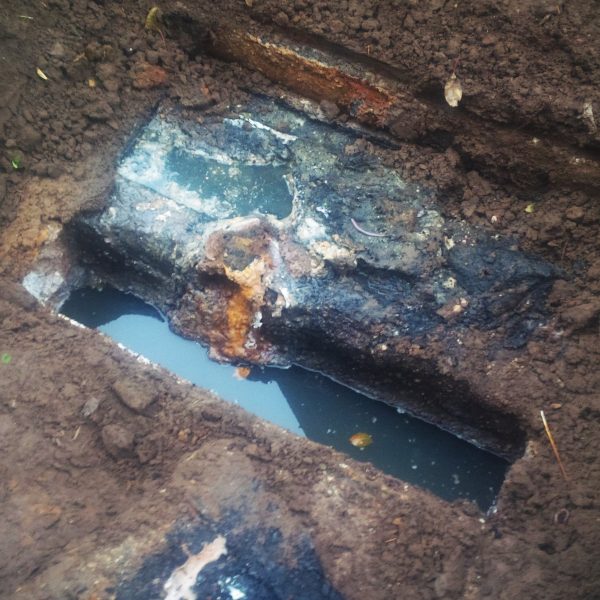
- Cracked or leaking tanks; damaged baffles; inlet/outlet failures
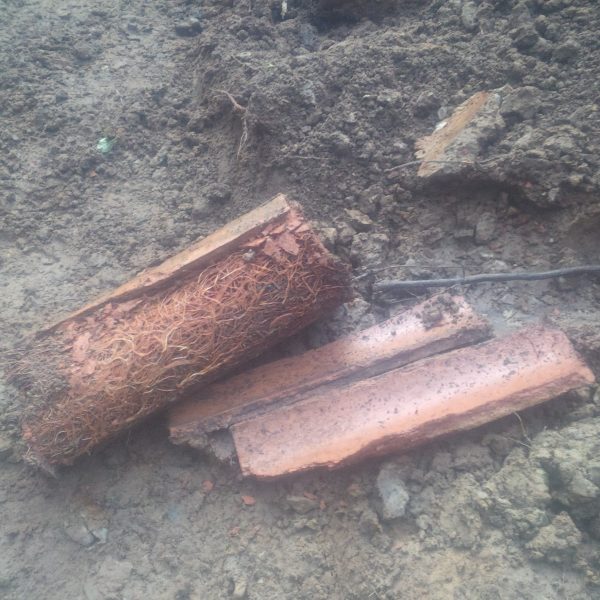
- Root intrusion and collapsed or settled piping
- Distribution box (D-box), header and lateral problems
- Pump, float and alarm system failures
Leaching Bed Repair (Septic Bed Repair)
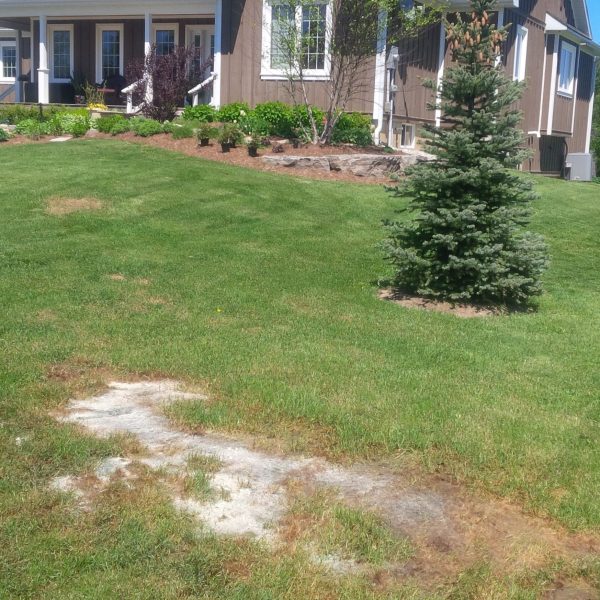
Targeted leaching bed repair can extend system life when the issue is properly diagnosed. We correct flow distribution, replace damaged sections, and improve site drainage where needed.
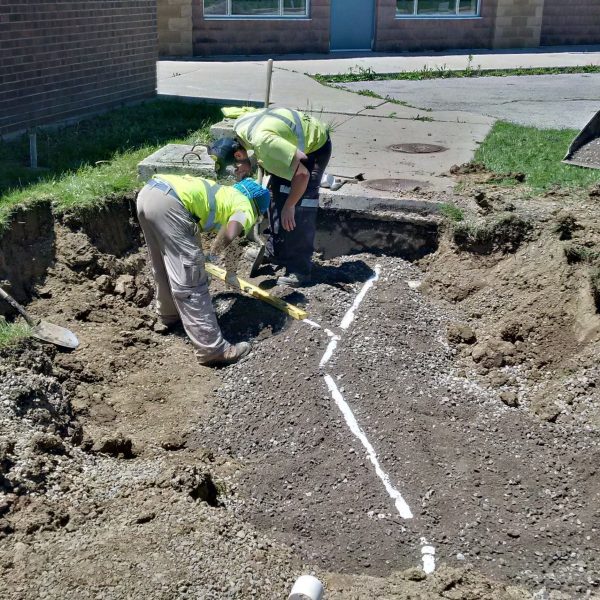
- Header and lateral replacement or re-balancing
- Drainage correction and surface grading
- Partial or full bed restoration where viable
Septic Repair Near You
We work with homeowners searching for:
- Septic repair near me
- Septic tank repair near me
- Septic system repair near me
- Septic service near me
Septic System Replacement Contractor — Hamilton & Brantford
When a system cannot be repaired effectively, we act as your septic system replacement contractor. We design to OBC Part 8, manage permits and inspections, and deliver a clear scope of work.
- Soil testing and engineered system design
- Full system removal and replacement
- Advanced treatment systems for challenging sites
Inspections & Pumping
Why Choose Alpha Ex for Septic Repair
- Certified Designers & Installers — OBC Part 8 expertise
- Repair-first approach — fix where possible, replace when necessary
- Local soils knowledge — clay, shale and mixed conditions
- Clear scope and communication
What We Bring to Every Repair
We identify the actual cause of failure and carry out the correct repair—not guesswork.
Recent Septic Repairs
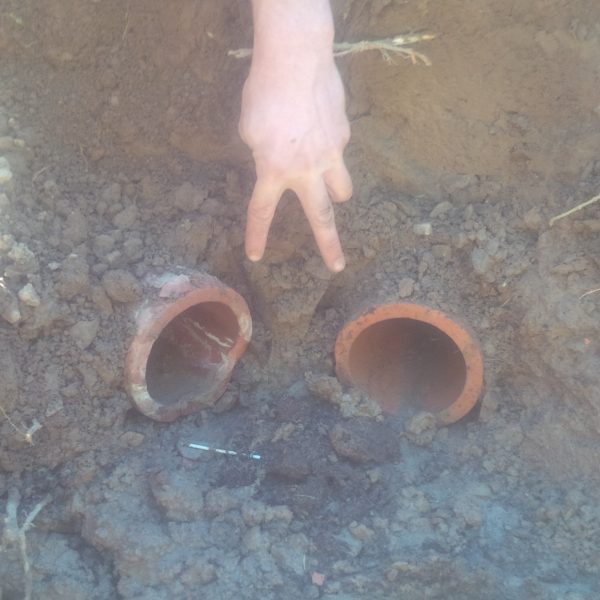
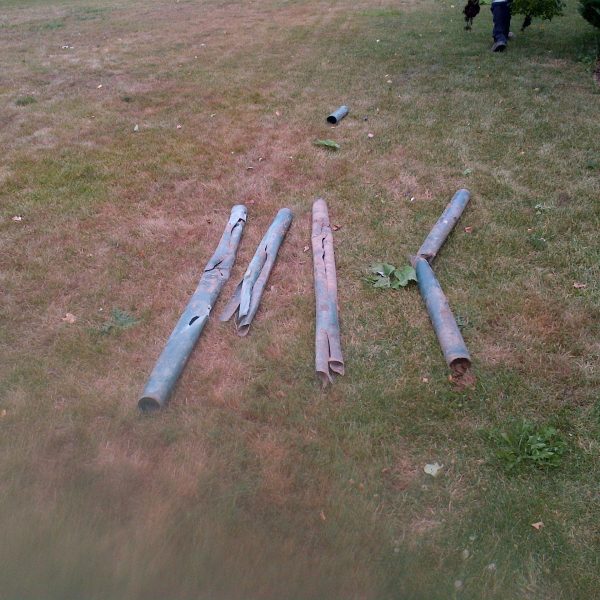
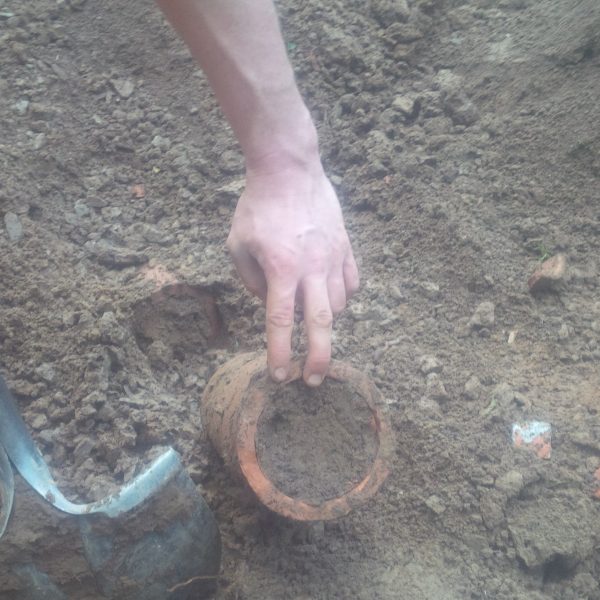
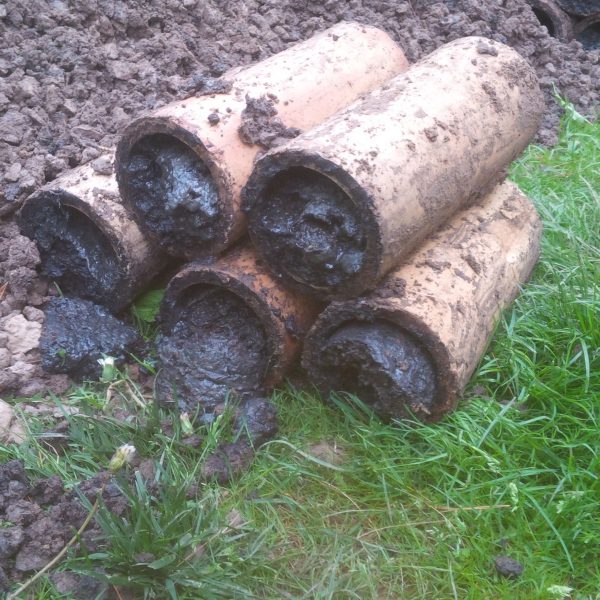
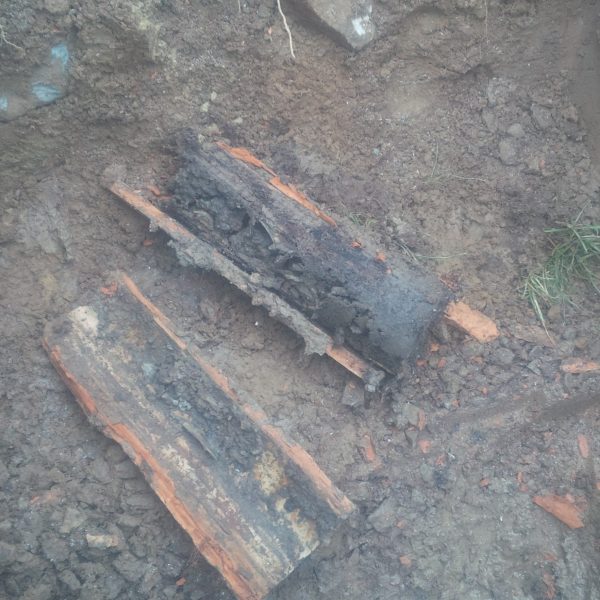
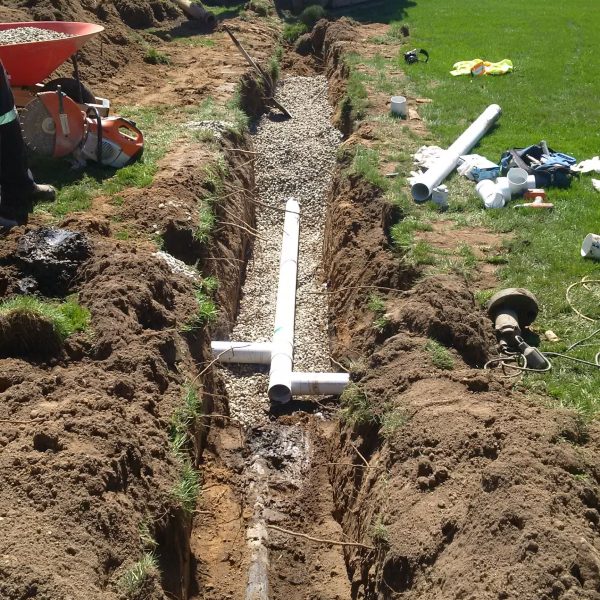
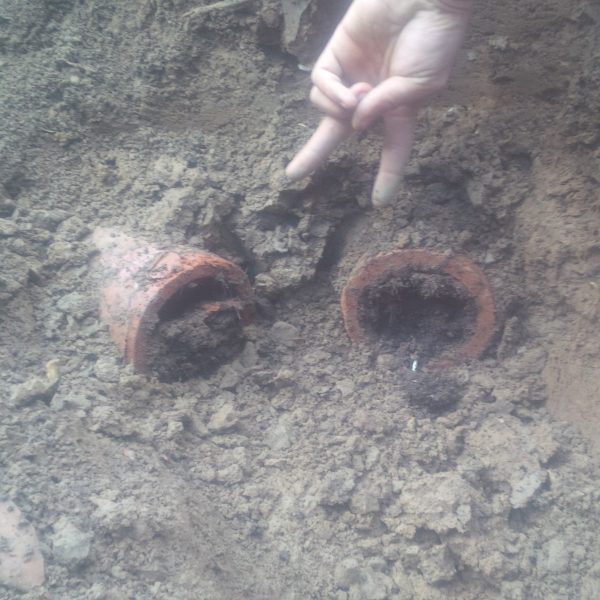 Septic leaching bed pipes that have become blocked can often be cleared with high pressure water jetting - before - Dundas
Septic Repair FAQs
Do you offer emergency septic repair?
No. We provide scheduled septic repair services focused on proper diagnosis and long-term solutions. If immediate pumping is required, we can direct you to a pumper.
How quickly can you inspect my septic system?
Most inspections are scheduled within a short timeframe. We review your issue by phone and book the appropriate visit.
Do you handle permits and inspections?
Yes. We manage design, permitting and inspections as part of full system work.
Contact Alpha Ex for Septic Repair
Call to discuss your issue or book an inspection. We’ll review your situation and recommend the correct next step.
Phone: 905-304-7114
Email: office@alphaex.ca