
Common signs of septic system failure include slow drains, gurgling plumbing, sewage smells, wet or soggy areas over the leaching bed, high-level alarms, sewage backups, or visible damage around the septic tank. These symptoms do not always mean the whole system has failed, but they should be investigated before the problem gets worse.
A septic system can fail for different reasons. Sometimes the issue is a blocked pipe, damaged header, pump problem, tank failure, poor grading, surface water, or a localized leaching bed problem. Other times, the system may be undersized, saturated, structurally unsafe, or at the end of its service life.
Common Warning Signs of Septic Problems
1) Slow Drains, Gurgling, or Backups
Slow toilets, gurgling fixtures, or sewage backing up into the house can point to a blockage, high tank level, outlet restriction, pump issue, or overloaded system. A pump-out may provide temporary relief, but it does not necessarily solve the cause of the problem.
If the problem returns after pumping, the system should be investigated further. Camera inspection, pipe locating, tank inspection, pump chamber review, or test digging may be needed to determine whether the issue is in the building sewer, tank, pump system, header, or leaching bed.
2) Sewage Odours Near the Tank or Leaching Bed
A properly functioning septic system should not produce persistent sewage smells around the yard. Odours near the tank, lids, vents, pump chamber, or leaching bed can indicate a venting issue, high tank level, damaged component, exposed effluent, or failing bed area.
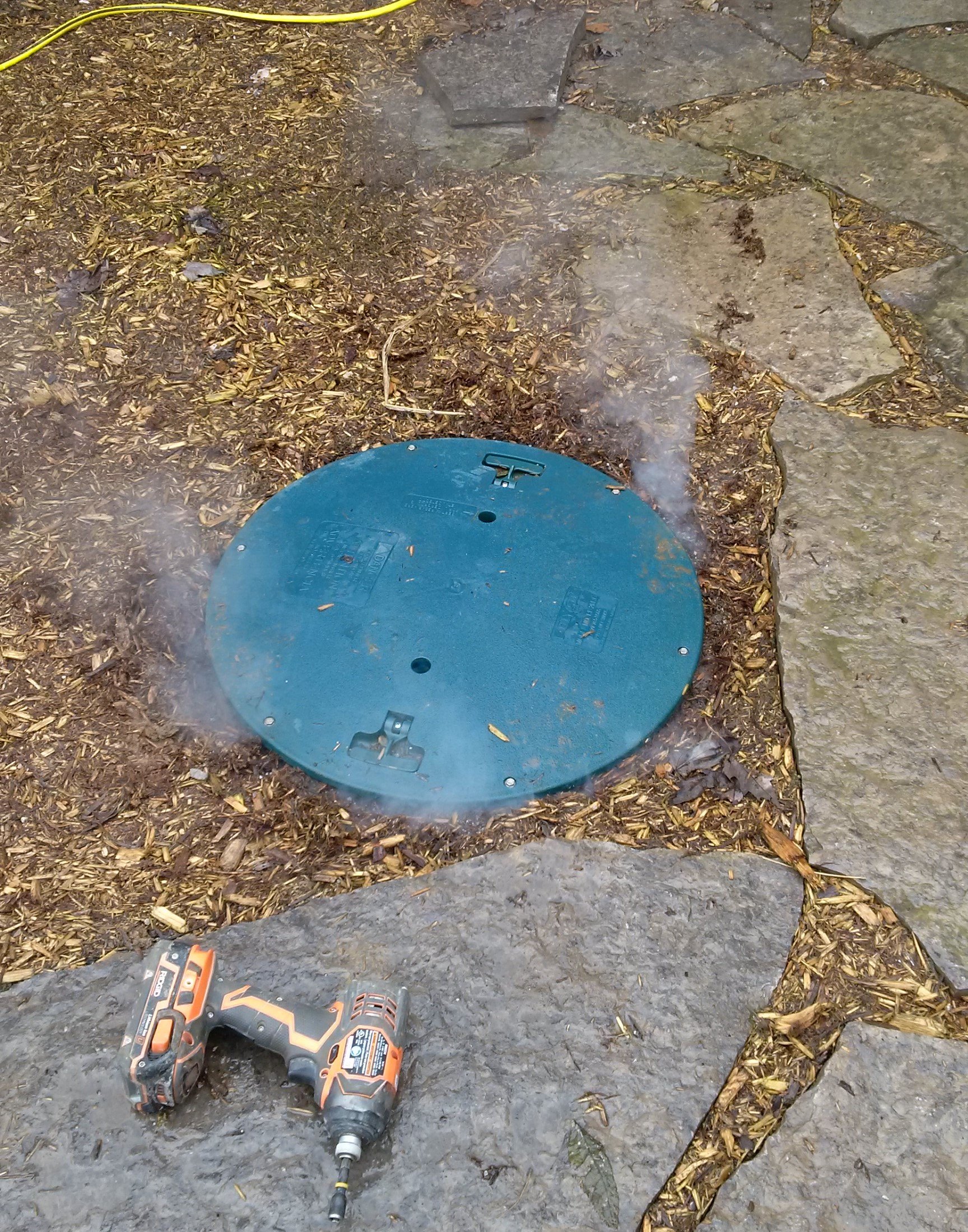
Smoke testing, lid inspection, pipe locating, and tank review can help identify where gases are escaping and whether the issue is related to plumbing, venting, the tank, or the septic system outside the house.
3) Wet or Soggy Areas Over the Leaching Bed
Wet spots, soggy ground, lush green strips, or effluent breaking out at the surface may indicate that the leaching bed is not accepting wastewater properly. This can happen because of saturated soils, clogged or damaged laterals, poor distribution, high groundwater, excess water entering the system, or an aging bed.
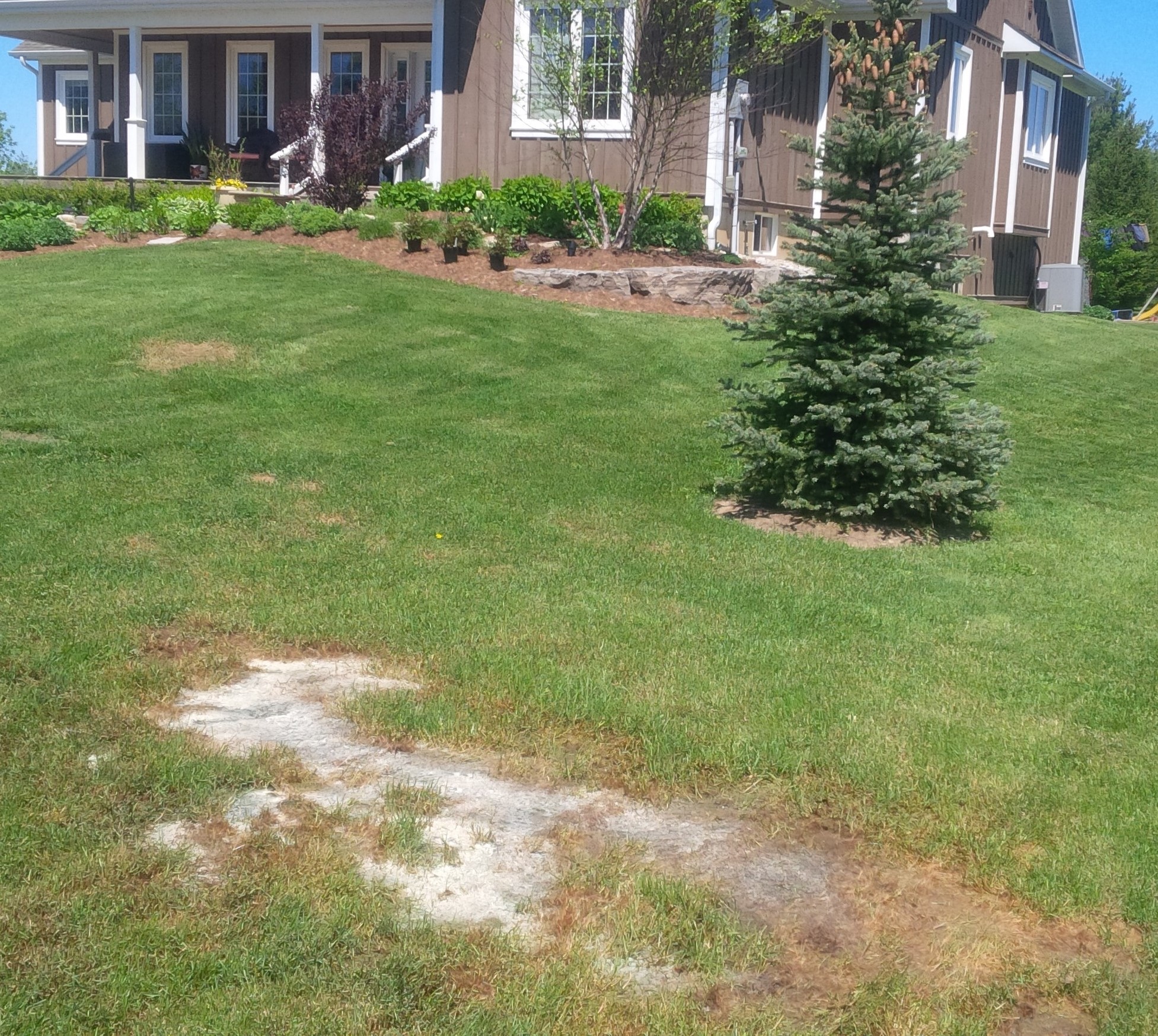
Some leaching bed issues can be improved with targeted repair, header correction, damaged pipe replacement, or grading and drainage work. If the bed area is fully saturated or the receiving soil has failed, replacement may be required.
4) Septic Tank Collapse or Structural Damage
A collapsed septic tank lid, unsafe access opening, deteriorated concrete, or structural failure around the tank is a serious safety issue. Older precast concrete tanks can deteriorate above the waterline from septic gases, especially if the tank lacks modern access, risers, filters, or proper maintenance history.
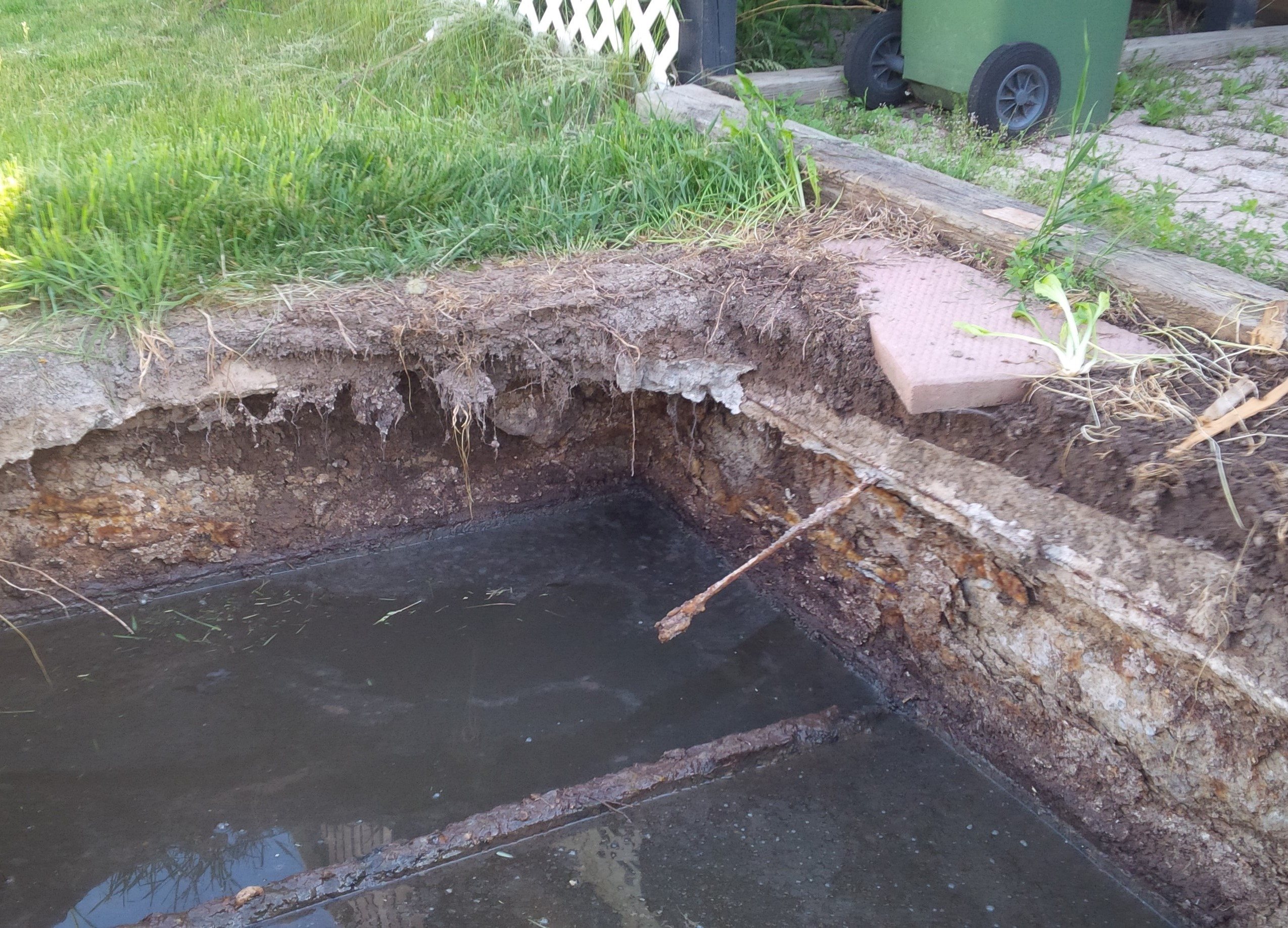
Tank failures should be treated carefully. In some cases, isolated components can be repaired. In other cases, tank replacement is the responsible option, especially if the structure is unsafe or the tank is undersized for the current use of the property.
5) Septic Alarms, Pump Problems, or High-Level Warnings
Many modern septic systems use pumps, floats, alarms, filters, force mains, dosing chambers, or advanced treatment units. A high-level alarm can mean the pump is not working, a float has failed, a filter is blocked, power has been lost, or the system is receiving more water than it can handle.
An alarm should not be ignored. Pumped systems should be checked before the leaching bed is assumed to have failed. A mechanical or electrical issue may be repairable if it is found early enough.
6) Seasonal Septic Problems After Rain, Snowmelt, or Spring Thaw
Some septic systems show problems only during wet seasons, heavy rain, spring thaw, or high groundwater conditions. This can point to a marginal leaching bed, poor surface grading, groundwater influence, drainage problems, or clean water entering the septic system.
If symptoms appear seasonally, the site drainage and grading should be reviewed along with the septic components. Extra clean water over or into the septic area can overload a system that might otherwise appear to work during dry weather.
What to Do If You Notice Septic Failure Signs
- Reduce water use until the system is reviewed, especially if there are backups, alarms, or wet areas.
- Do not drive over the septic bed or tank area unless it was specifically designed for traffic loading.
- Have the tank pumped if levels are high or if a backup is occurring.
- Locate and inspect the system before assuming the whole bed has failed.
- Check pumps, floats, filters, and alarms on systems that use mechanical components.
- Review drainage and grading around the leaching bed, especially if the issue follows rain or thaw.
- Decide on repair or replacement only after the cause of the problem is understood.
Repair or Replacement?
The right answer depends on the cause of the failure. A damaged pipe, broken header, pump issue, poor surface drainage, or localized problem may be repairable. A collapsed tank, fully saturated leaching bed, failed receiving soil, undersized system, or unsafe structure may require replacement.
Alpha Excavation & Contracting works from both the septic design and construction side. That means we look at the system, the site, the soil, the grades, and the practical repair options before recommending a path forward.
For more information, visit Septic Repair and System Troubleshooting. For new systems and replacement planning, visit Septic Systems, Design, Installation, and Replacement.
Septic Failure FAQs
What are the first signs of septic system failure?
Early signs can include slow drains, gurgling plumbing, sewage odours, wet areas over the leaching bed, high-level alarms, backups, or unusually lush grass over the septic area. These symptoms should be investigated before the problem becomes more serious.
Does a wet leaching bed mean the whole septic system has failed?
Not always. Wet areas can be caused by poor drainage, damaged piping, uneven distribution, high groundwater, or localized bed problems. In some cases, targeted repair may help. In other cases, the leaching bed may need replacement.
Should I pump the tank if my septic system is backing up?
Pumping may be needed to stabilize the system and reduce the risk of sewage backing up into the house. However, pumping alone does not identify why the system backed up. If the problem returns, further diagnosis is needed.
Can a failing septic system be repaired?
Sometimes. Septic repairs may include pipe replacement, header repair, pump or float repair, tank component repair, drainage correction, or localized leaching bed work. If the system is structurally unsafe, fully saturated, or undersized, replacement may be required.
When should I call a septic contractor?
You should call when you notice backups, persistent odours, wet or soggy areas, septic alarms, tank damage, or repeated problems after pumping. The sooner the cause is understood, the more options you may have.
Talk to Alpha Ex About Septic Warning Signs
Send us the property address and a short description of what you are seeing. Include details such as slow drains, smells, wet spots, alarms, recent pumping, inspection concerns, or when the symptoms started.