Subsoil Scarification for Septic Leaching Bed Construction | Alpha Ex

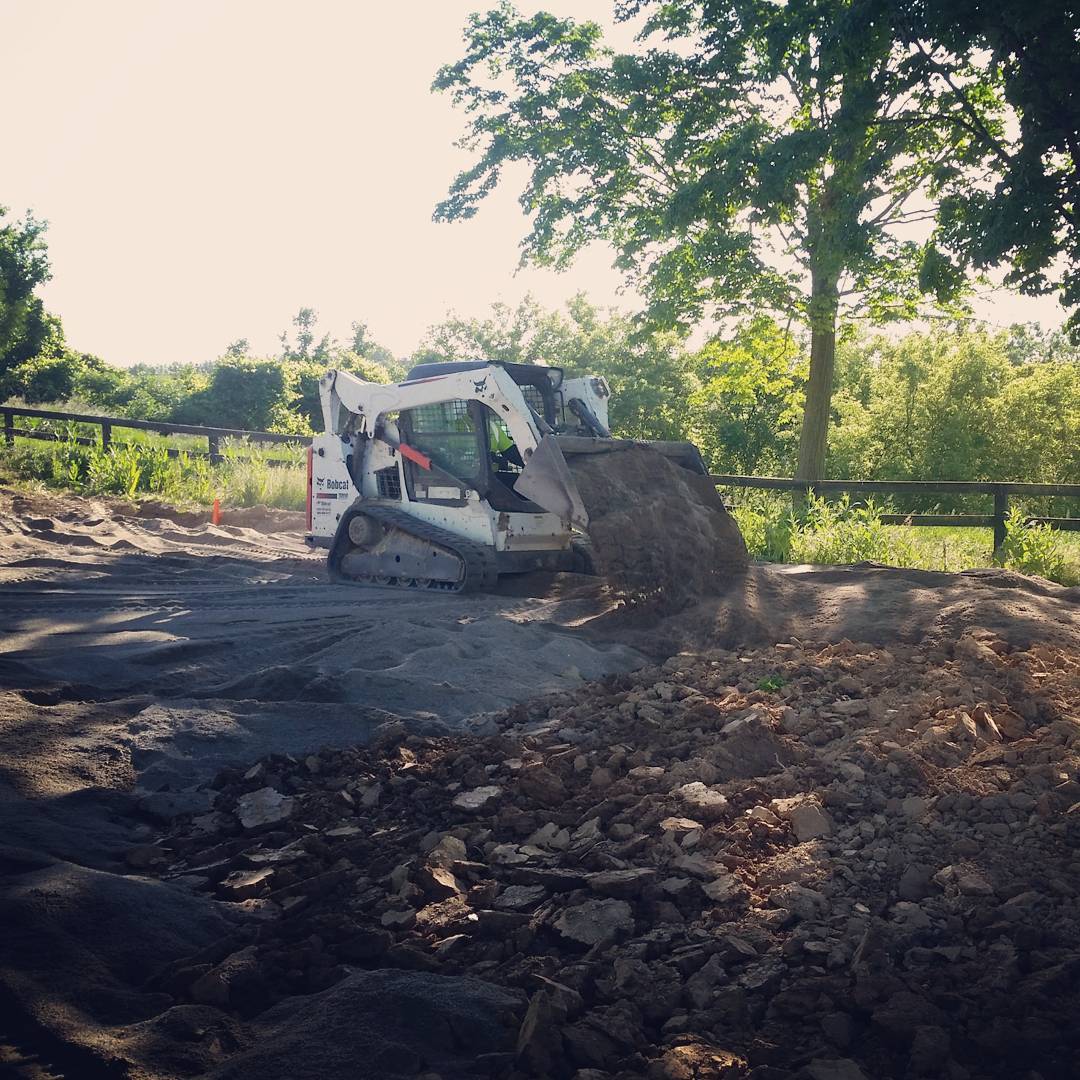
Subsoil scarification before septic sand placement during leaching bed construction in Ontario
Subsoil scarification before septic sand placement during leaching bed construction in Ontario.

Before septic sand is placed for a leaching bed, the native soil surface often needs to be carefully prepared. Subsoil scarification is the process of loosening or roughening the exposed soil surface so the imported septic sand and the native soil can work together properly.

This is an important step in septic bed construction. A leaching bed is not just a pile of sand with pipe installed in it. The system depends on the relationship between the wastewater distribution area, imported septic sand, native soil, grading, elevations, and drainage across the property.

What Is Subsoil Scarification?

Subsoil scarification means disturbing the surface of the native soil after the topsoil has been removed and before the septic sand is placed. The goal is to avoid leaving a smooth, sealed, smeared, or compacted surface between the native soil and the imported sand layer.

When the soil surface is properly scarified, the sand and native soil have a better transition zone. This helps support the intended movement of treated effluent through the leaching bed area and into the receiving soil below.

Why It Matters in Septic Bed Construction

The bottom preparation of a septic bed matters because this is where the approved design meets the real site conditions. If the native soil is compacted, smeared, or poorly prepared, it can interfere with the performance of the system.

Good septic construction depends on more than simply placing the right material. The contractor has to protect the soil structure, avoid unnecessary compaction, follow the design elevations, place the sand correctly, and shape the finished grades so surface water does not overload the septic area.

Scarification, Septic Sand, and Native Soil

Imported septic sand is commonly used in raised beds, filter beds, sand mantles, and other leaching bed systems. The sand must be placed over a properly prepared surface so the system can function as intended.

Scarification helps prevent a hard boundary from forming between the native soil and the imported material. This is especially important where equipment has been working on the site, where topsoil has been stripped, or where the exposed soil surface may have become compacted during construction.

Good Septic Work Requires Careful Earthwork

Septic installation is excavation work, but it is not ordinary excavation. The operator has to understand that the soil is part of the treatment system. The wrong machine movement, poor timing, wet soil conditions, or excessive compaction can create problems before the septic bed is even finished.

Alpha Excavation & Contracting approaches septic work from both the design and construction side. That means we pay attention to the details that affect the finished system: soil preparation, sand placement, elevations, slopes, access, tank location, pump lines, cover material, and final grading.

When Soil Preparation Becomes Especially Important

Subsoil preparation is especially important on sites with difficult soil conditions, limited space, raised beds, shallow buried trench systems, filter beds, replacement septic systems, or advanced treatment systems. These projects often leave very little room for sloppy machine work or poor grading.

On tight or difficult properties, the leaching bed must be built exactly where the design says it belongs. The grades, sand thickness, distribution area, and surrounding drainage all have to work together. Proper preparation helps give the system the best chance to perform as intended.

Serving Hamilton, Dundas, Ancaster, Burlington, Haldimand, Brant, and Surrounding Areas

Alpha Ex installs and works with septic systems across Hamilton, Dundas, Ancaster, Flamborough, Burlington, Halton, Haldimand, Brant, and surrounding rural properties. We regularly deal with septic installations, replacement systems, raised beds, sand mantles, filter beds, shallow buried trench beds, advanced treatment systems, and difficult site grading.

Planning a Septic System or Replacement Bed?

If you are planning a new septic system, replacing an old system, building an addition, or trying to understand what your property can support, the first step is understanding the site. Soil conditions, elevations, available area, setbacks, drainage, and permit requirements all affect the final septic design and installation.

Send us the property address and a short description of what you are planning or what problem you are trying to solve. We can help you understand the practical next step for your septic system, leaching bed, or site preparation work.

“`